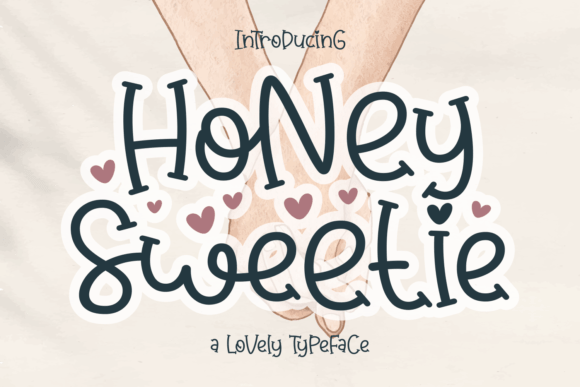
Honey Sweetie: A Delightful Touch for Creative Projects
In the world of typography, fonts serve as more than just a means of communication—they are visual expressions of personality, emotion, and intention. Among the many typefaces available, Honey Sweetie stands out as a unique and versatile option that brings a sense of warmth and charm to any design. This cursive handwritten font, with its gentle curves and playful strokes, is ideal for projects that require a touch of elegance and whimsy.
Designed with both aesthetic appeal and practicality in mind, Honey Sweetie offers a range of glyphs and ligatures that can be accessed easily thanks to its PUA encoding. This feature makes it a go-to choice for designers who want to explore the full potential of the font without being limited by standard character sets. Whether you're working on a logo, a wedding invitation, or a marketing campaign, Honey Sweetie provides the flexibility needed to bring your creative vision to life.
Applications of Honey Sweetie in Design
The versatility of Honey Sweetie makes it suitable for a wide array of applications. One of the most common uses is in branding and logos, where its soft, flowing lines can convey a sense of approachability and sophistication. For instance, a boutique clothing line might use Honey Sweetie to create a tagline that feels personal and inviting, helping to build a connection with customers.
In the realm of weddings, Honey Sweetie is particularly well-suited for invitations, place cards, and other stationery. Its romantic and joyful nature aligns perfectly with the celebratory spirit of a wedding, making it a popular choice among couples looking for a unique and elegant way to express their love. The font's ability to add a personal touch can also be seen in handmade greeting cards, where it can transform a simple message into something memorable.
Fashion and lookbooks often benefit from the addition of Honey Sweetie as well. When used in captions or headings, it can provide a stylish contrast to more traditional typefaces, drawing attention to key elements while maintaining a cohesive visual identity. Similarly, marketing promotions can leverage the font to create eye-catching headlines that stand out in a crowded marketplace.
Advantages of Using Honey Sweetie
One of the primary advantages of Honey Sweetie is its ability to evoke a sense of warmth and authenticity. Unlike more rigid or modern fonts, its cursive style gives designs a handcrafted feel that can resonate with audiences on a deeper level. This characteristic is especially valuable in industries where personalization and emotional connection are key, such as in the arts, hospitality, or small businesses.
Another benefit is the font's ease of use. With PUA encoding, users have access to a wide range of characters and special symbols, allowing for greater creativity and customization. This feature is particularly useful for designers who want to experiment with different styles or incorporate unique elements into their work without the hassle of searching for alternative fonts.
Additionally, Honey Sweetie's adaptability makes it suitable for both digital and print media. Whether it's used in a website header, a social media post, or a printed flyer, the font maintains its clarity and charm across various formats. This consistency ensures that the intended message and aesthetic remain intact, regardless of the medium.
Considerations for Using Honey Sweetie
While Honey Sweetie is an excellent choice for many projects, it's important to consider the context in which it will be used. Because of its cursive nature, it may not be the best option for large blocks of text, where readability could become an issue. In such cases, it's advisable to pair it with a more legible font to ensure that the overall design remains effective and accessible.
Furthermore, the font's decorative qualities mean that it should be used intentionally rather than as a default choice. Overusing it can dilute its impact and make a design feel cluttered or unprofessional. Instead, it's recommended to apply it strategically, such as in headings, titles, or accent elements, where its visual appeal can shine without overwhelming the viewer.
Finally, it's worth noting that the success of any design depends on how well the chosen font aligns with the overall theme and message. While Honey Sweetie is undeniably beautiful, it's essential to evaluate whether it complements the project's goals and audience. A thoughtful approach to font selection can greatly enhance the effectiveness of a design and ensure that it resonates with its intended viewers.
Real-World Examples of Honey Sweetie in Action
Looking at real-world examples can help illustrate the practical applications of Honey Sweetie. For instance, a local bakery might use the font in its logo to convey a sense of warmth and craftsmanship, reinforcing the idea that each product is made with care and attention to detail. Similarly, a travel blog could incorporate Honey Sweetie in its headlines to add a touch of whimsy and adventure, making the content more engaging for readers.
Another example is in the field of education, where teachers might use the font in lesson plans or classroom materials to create a more inviting and personalized learning environment. By using Honey Sweetie in titles or section headers, educators can make their content feel more approachable and enjoyable for students.
Even in more formal settings, such as corporate presentations or business reports, Honey Sweetie can be used effectively when applied sparingly. A well-placed heading or subtitle in this font can add a subtle yet impactful element to the design, making it more visually appealing without compromising professionalism.