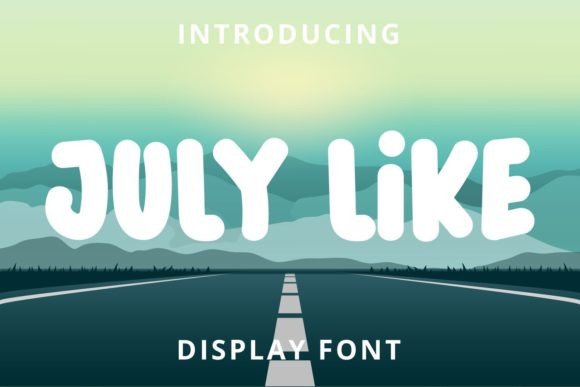
July Like: A Versatile and Friendly Display Font for Creative Projects
July Like is a display font that combines cuteness, friendliness, and fun in a way that makes it ideal for a variety of creative applications. Designed with a playful aesthetic, this font can add a unique touch to digital designs, crafts, presentations, and greeting cards. Its distinct character makes it stand out, but like any font, it comes with its own set of strengths and limitations that users should consider before incorporating it into their work.
For those who are looking for a font that can bring a sense of warmth and personality to their projects, July Like offers an appealing option. However, understanding when and how to use it effectively requires evaluating its suitability for different contexts and goals.
What Is July Like?
July Like is a custom-designed display font that features rounded, soft edges and a whimsical style. It is not a standard typeface found in most operating systems, so it typically needs to be downloaded or purchased from a font marketplace. The font's name suggests a lighthearted and approachable tone, which is reflected in its visual design. Its letters often have slight variations in stroke width and curvature, giving it a handcrafted or artisanal feel.
The font is particularly well-suited for projects that aim to convey a sense of joy, creativity, or nostalgia. It can be used in both digital and print formats, making it a flexible choice for designers, artists, and content creators who want to add a unique visual element to their work.
Why Someone Might Be Interested in July Like
There are several reasons why a designer or creator might consider using July Like. One of the primary attractions is its ability to evoke a sense of warmth and friendliness. This makes it a popular choice for branding that aims to be approachable, such as for children’s products, boutique businesses, or personal projects with a creative flair.
Another reason for interest in July Like is its versatility. While it is primarily a display font, it can be used in a range of applications, including social media graphics, posters, logos, and even web design. Its readability at smaller sizes may vary, so it is best suited for headlines, titles, or other prominent text elements rather than body copy.
Additionally, July Like can be a good fit for those who want to differentiate their work from more traditional or neutral fonts. Its unique style allows for greater creative expression, which can help a project stand out in a competitive design landscape.
Benefits and Considerations of Using July Like
One of the main benefits of July Like is its ability to add a distinctive visual identity to a project. For users who want to create a cohesive and memorable brand or design, this font can serve as a key element in achieving that goal. Its friendly appearance can also help build a connection with the audience, especially in contexts where a warm and inviting tone is desired.
However, there are some considerations to keep in mind. July Like may not be the best choice for professional or formal settings where clarity and neutrality are prioritized. In such cases, more traditional fonts like Times New Roman or Arial might be more appropriate. Additionally, because it is a display font, it may not be as legible in long blocks of text, limiting its use to shorter phrases or headings.
Another factor to consider is availability. Since July Like is not a standard system font, users will need to download it from a font provider. This means ensuring that the font is properly licensed for the intended use, whether personal or commercial. Some fonts may require a purchase or subscription, so it’s important to check the licensing terms before using it in a project.
Situations Where July Like May Be a Strong Fit
July Like is particularly well-suited for projects that benefit from a playful or artistic tone. For example, it could be used in marketing materials for a children's book, a handmade craft business, or a social media campaign aimed at a younger, more creative audience. Its visual appeal can also make it a good choice for wedding invitations, party flyers, or other event-related designs where a personal and charming look is desired.
In digital design, July Like can be effective for website headers, app interfaces, or UI elements that require a friendly and engaging presence. It may also be useful in presentations where the goal is to capture attention and convey a positive message. When used appropriately, it can enhance the overall aesthetic without overwhelming the viewer.
Situations Where Alternatives May Be Worth Considering
While July Like has its strengths, there are scenarios where alternative fonts may be more suitable. For instance, if the goal is to create a clean, modern, or professional look, a sans-serif font like Helvetica or Roboto might be a better fit. These fonts offer greater readability and a more neutral appearance, which can be preferable in many business or academic contexts.
For projects that require high levels of legibility, especially in small sizes or on low-resolution screens, a more conventional font may be necessary. In such cases, the stylistic elements of July Like could reduce clarity, making it less effective for body text or detailed information.
Additionally, if the target audience is more traditional or expects a certain level of formality, using a font like July Like could be perceived as unprofessional. In these instances, it’s important to align the font choice with the expectations of the audience and the purpose of the project.
Practical Decision-Making Insights
When deciding whether to use July Like, it’s helpful to start by defining the purpose and audience of the project. If the goal is to create a fun, creative, or personalized design, then July Like could be an excellent choice. However, if the project requires a more serious or neutral tone, it may be worth exploring other options.
Testing the font in different contexts is also a valuable step. Experimenting with how it looks in various sizes, backgrounds, and layouts can provide insight into its effectiveness. This can help determine whether it enhances the overall design or detracts from it.
Finally, considering the technical requirements is essential. Ensuring that the font is available, properly licensed, and compatible with the intended platform or software can prevent potential issues down the line. By taking these factors into account, users can make a more informed decision about whether July Like is the right choice for their needs.