Utopium: A Bold Font for Creative Workflows
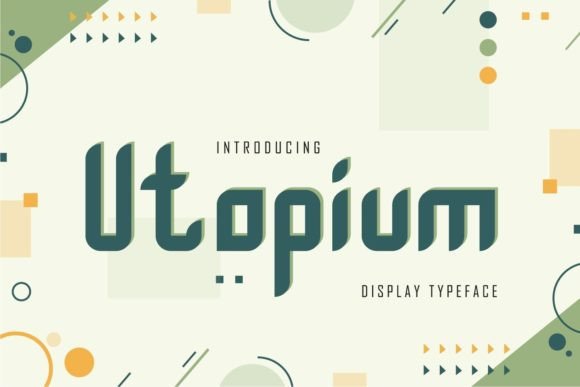
In the world of design and branding, typography plays a crucial role in conveying a message, setting a tone, and capturing attention. Utopium is a geometric font that stands out with its unique and eye-catching design. Whether you're working on a logo, packaging, or marketing materials, Utopium offers a fresh and modern look that can elevate your creative projects.
This font is ideal for those looking to add a playful yet professional touch to their work. Its clean lines and structured forms make it versatile enough to fit into various design styles while maintaining a strong visual presence. Utopium's PUA encoding ensures that users have access to all the glyphs and ligatures without any limitations, making it a reliable choice for designers who need flexibility and control.
Understanding Utopium in the Design Process
Before diving into the specifics of Utopium, it's important to understand how it fits into the broader design process. Typography is often one of the final steps in a project, but it can also influence early decisions such as color schemes, layout structures, and overall aesthetics. Utopium can be integrated at multiple stages—whether during concept development, refinement, or final execution.
For example, when brainstorming ideas for a brand identity, selecting a font like Utopium can help establish a visual direction. Its geometric structure provides a sense of order and clarity, which can guide other design elements. During the refinement phase, Utopium can be used to test different typographic combinations, ensuring that the chosen typeface complements other design components effectively.
Using Utopium in Different Projects
Utopium's versatility makes it suitable for a wide range of applications. In packaging design, for instance, the font can be used to create striking product labels that stand out on shelves. Its bold and structured appearance helps convey a sense of quality and innovation, which is essential for consumer products.
For digital marketing campaigns, Utopium can be used in social media graphics, email templates, and website headers. Its readability at different sizes ensures that it remains effective across various platforms. When designing for print, Utopium's high contrast and clear letterforms make it easy to read, even in small text sizes.
Additionally, Utopium can be used in editorial design, such as magazines, newsletters, and brochures. Its modern aesthetic aligns well with contemporary layouts, offering a clean and professional look that enhances the overall reading experience.
Integrating Utopium into Your Workflow
When incorporating Utopium into your workflow, consider the tools and platforms you use. Most design software, including Adobe Creative Suite, Figma, and Sketch, supports custom fonts, making it easy to apply Utopium to your projects. Before using the font, ensure that your software is updated to the latest version to avoid compatibility issues.
One practical tip is to create a style guide that includes Utopium as a primary or secondary typeface. This guide can help maintain consistency across different design assets and ensure that the font is used appropriately in various contexts. For teams, sharing this style guide can streamline the design process and reduce the risk of misapplication.
Another consideration is the availability of alternate characters and ligatures. Utopium's PUA encoding allows for easy access to these features, which can enhance the visual appeal of your designs. Experimenting with different glyph combinations can lead to unique and personalized typographic solutions.
Collaboration and Utopium
When working with others, such as clients, team members, or freelancers, it's important to communicate how Utopium should be used. Providing clear instructions on font usage, spacing, and hierarchy can prevent misunderstandings and ensure that the final output meets the intended design goals.
If you're collaborating with a designer who may not be familiar with Utopium, consider sharing examples of how the font has been used in similar projects. This can help them visualize the potential impact of the typeface and make informed design choices. Additionally, discussing the font's characteristics during the planning phase can lead to more cohesive and effective design outcomes.
Long-Term Use and Maintenance
As with any design asset, it's important to consider the long-term use of Utopium. Regularly reviewing how the font performs in different projects can help identify any limitations or areas for improvement. If you notice that certain variations of the font are not working well in specific contexts, consider adjusting your approach or exploring alternative typefaces.
Maintaining a library of fonts, including Utopium, can also improve efficiency. Organizing your font collection by category, such as geometric, serif, or script, can make it easier to find the right typeface for each project. This organization can save time and reduce the likelihood of using an inappropriate font for a given task.
Finally, staying updated on new releases and updates related to Utopium can ensure that you're always using the most current version of the font. Some foundries offer regular updates that include additional glyphs, improved spacing, or enhanced compatibility with design tools.
Conclusion: Utopium in Practice
Utopium is more than just a font—it's a tool that can enhance your creative process and contribute to the success of your design projects. By understanding how to integrate it into your workflow, you can unlock its full potential and create visually compelling work that stands out in a competitive market.
Whether you're working on a personal project, a business initiative, or a collaborative effort, Utopium offers a modern and versatile solution that can adapt to your needs. With its unique design and practical features, it's a valuable addition to any designer's toolkit.