Kulisha: A Bold Brush Font for Creative Impact
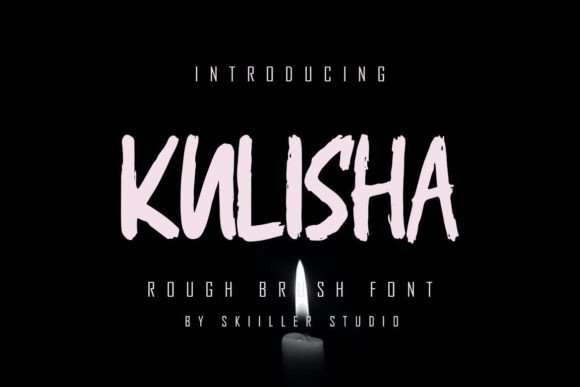
Kulisha is more than just a font—it's a visual statement. With its textured brush strokes and subtle paint scratches, it brings a dynamic energy to any design. Whether you're working on a film project, branding initiative, or marketing campaign, Kulisha adds a layer of authenticity and creativity that stands out. Its original stroke style makes it ideal for commercial and artistic applications where a handcrafted feel matters.
Why Kulisha Matters for Designers and Businesses
For professionals in creative fields, the right typography can make or break a project. Kulisha offers a unique blend of raw texture and clean structure, making it versatile enough for various applications. Its brush-like appearance gives a sense of movement and emotion, which can be especially powerful in visual storytelling. This font isn't just about aesthetics—it's about creating a connection with your audience through visual language.
Businesses looking to differentiate themselves often turn to bold, expressive fonts like Kulisha. In industries where first impressions matter, such as advertising, entertainment, or publishing, this font can help convey a brand's personality more effectively. It's not just a choice of typeface; it's a strategic decision that supports visual communication goals.
Practical Benefits of Using Kulisha
One of the key advantages of Kulisha is its ability to enhance visual hierarchy. The textured strokes draw attention naturally, making it ideal for headlines, logos, or title cards. This can save time during the design process by reducing the need for additional graphic elements to create depth or interest.
For filmmakers, Kulisha can add a cinematic quality to titles or credits. Its brush-like texture mimics the look of hand-painted signs or set pieces, giving a more organic feel to digital media. This is particularly useful in independent films or indie projects where budget constraints may limit access to physical set design.
Entrepreneurs and small business owners can also benefit from using Kulisha. When designing a logo or promotional material, the font’s unique character helps establish a memorable brand identity. It’s especially effective for businesses in creative industries such as art, fashion, or music, where visual expression is central to the brand message.
Who Can Benefit Most from Kulisha?
Graphic designers, illustrators, and motion graphics artists will find Kulisha valuable for adding texture and dimension to their work. Its versatility allows it to complement both digital and print formats, making it a go-to choice for multi-platform projects. For those who work with video or animation, the font’s natural look can enhance the overall aesthetic of a project without requiring complex effects.
Marketers and content creators can use Kulisha to craft visually engaging social media posts, advertisements, or email campaigns. The font’s striking appearance can increase engagement by making text more eye-catching. It’s particularly useful for campaigns targeting younger audiences who are drawn to bold, expressive visuals.
Educators and publishers might also find Kulisha useful for creating engaging learning materials or book covers. Its distinctive style can make educational content more appealing, especially when used in infographics, posters, or interactive presentations.
Realistic Use Cases for Kulisha
Imagine a filmmaker looking to create a title sequence for a documentary. By using Kulisha, they can achieve a handcrafted look that feels authentic and immersive. The paint scratches add a tactile quality that enhances the storytelling experience, making the audience more engaged from the start.
A small business owner launching a new line of handmade products could use Kulisha in their packaging design. The font’s texture aligns with the product’s artisanal nature, reinforcing the brand’s commitment to quality and craftsmanship. This creates a cohesive visual identity that resonates with customers.
For a blogger or content creator, Kulisha can elevate the look of a website or blog header. It adds a personal touch that reflects the writer’s style while maintaining professionalism. This can help build a stronger connection with readers who appreciate unique, well-designed content.
Considerations When Choosing Kulisha
While Kulisha is a strong choice for many projects, it’s important to consider the context in which it will be used. Its textured appearance may not be suitable for all types of content, especially when readability is a priority. For body text or long-form content, a simpler font might be more appropriate.
Users should also test Kulisha across different platforms and devices to ensure consistency. The font’s brush-like texture may render differently depending on screen resolution or software compatibility. It’s always a good idea to review how the font looks in various settings before finalizing a design.
How Kulisha Supports Creativity and Communication
Kulisha encourages a more expressive approach to design by offering a font that feels alive and dynamic. It allows creators to communicate ideas in a way that feels more personal and authentic. This can be especially valuable in industries where emotional resonance is key, such as advertising, film, or public relations.
The font’s unique characteristics also support experimentation. Designers can combine it with other typefaces or graphic elements to create a custom look that reflects their vision. This flexibility makes it a valuable tool for anyone looking to push creative boundaries.
Final Thoughts on Kulisha
Kulisha is more than just a font—it’s a tool that can enhance the visual impact of any project. Its textured brush strokes and paint scratches bring a level of authenticity that is hard to replicate with standard typefaces. Whether you’re a designer, filmmaker, marketer, or entrepreneur, this font offers practical benefits that can support your creative and professional goals.
By choosing Kulisha, you’re not just selecting a typeface—you’re making a statement about the values of your work. Its ability to blend artistry with functionality makes it a compelling choice for those who want to stand out in a competitive market. As with any design element, the key is to use it thoughtfully and in a way that aligns with your overall vision.