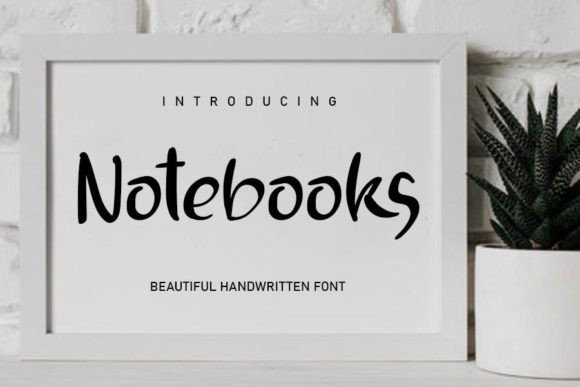
Notebooks: A Playful Font for Creative Projects
When it comes to choosing a font that balances charm with clarity, Notebooks stands out as a unique option. This display font is designed to bring a sense of warmth and personality to any project, making it ideal for those who want to add a touch of creativity without sacrificing readability. Whether you're working on a logo, a poster, or a DIY craft, Notebooks offers a distinctive style that can elevate your design work.
What Makes Notebooks Unique?
Notebooks is a handwritten-style font that mimics the look of a notebook filled with casual notes and sketches. Its irregularities and slight variations in lettering give it a personal, handcrafted feel. This characteristic makes it stand out from more rigid, mechanical fonts that often feel impersonal. The font’s playful nature is especially appealing for projects that aim to convey approachability, fun, or a creative vibe.
Unlike many other display fonts that prioritize visual impact over usability, Notebooks maintains a level of legibility that allows it to be used effectively in various contexts. While it may not be suitable for long blocks of text, it shines in short phrases, headings, and titles where its character can be fully appreciated.
Key Characteristics and Strengths
The most notable feature of Notebooks is its informal, almost scribbled appearance. Each letter has a slightly different shape, which adds to the font's authenticity and charm. This variability can make it feel more human and less artificial, which is a big plus for designers looking to create a more organic aesthetic.
Another strength of Notebooks is its versatility. It works well in both digital and print formats, making it a valuable addition to a designer’s toolkit. The font is available in multiple weights and styles, allowing users to adjust its intensity based on their needs. For instance, a lighter version might be used for a subtle background element, while a bolder variant could serve as a striking headline.
Additionally, Notebooks is relatively easy to use. It doesn’t require advanced design skills to implement, and its clean structure ensures that it integrates smoothly into most design software. This accessibility makes it a good choice for both beginners and experienced designers alike.
Practical Applications and Real-World Use
One of the most common uses for Notebooks is in branding and logos. Its friendly, approachable style can help businesses establish a more personable image, particularly in industries like education, children's products, or artisanal crafts. For example, a boutique coffee shop might use Notebooks in its logo to evoke a cozy, homey atmosphere.
Notebooks also excels in poster design. Its playful look can draw attention and communicate a sense of energy or creativity. When used in conjunction with bold colors or dynamic layouts, it can create a visually engaging composition that captures the viewer’s interest.
In the realm of DIY projects, Notebooks can be a great asset. Whether you're creating custom stationery, handmade cards, or personalized gifts, the font adds a unique touch that sets your work apart. Its handwritten style can make a project feel more personal and thoughtful, which is often a key selling point for handmade items.
Quality and Usability Considerations
From a technical standpoint, Notebooks is well-designed and consistent across different platforms. The font maintains its character at various sizes, ensuring that it remains readable even when used in smaller formats. This reliability is important for designers who need to ensure that their work looks good in all contexts.
However, it’s worth noting that the font’s informal style may not be appropriate for every project. In professional settings where a more polished or formal look is required, Notebooks could come across as too casual. Designers should consider the tone and audience of their work before deciding to use this font.
Another consideration is the font’s limited availability. While it’s widely used in certain design communities, it may not be as readily accessible as some other popular fonts. Users should check licensing terms and ensure that they have the proper rights to use the font in their projects, especially if they’re working on commercial designs.
Who Benefits Most from Using Notebooks?
Notebooks is particularly beneficial for creators and small business owners who want to infuse their work with personality. Entrepreneurs launching a new brand, educators designing classroom materials, or artists creating promotional content can all find value in using this font. Its ability to convey a sense of warmth and creativity makes it a strong choice for projects that aim to connect with an audience on an emotional level.
Freelancers and independent designers may also appreciate the font’s flexibility. It can be used in a wide range of projects, from social media graphics to packaging design, offering a consistent yet distinctive visual identity. For those who are always looking for ways to differentiate their work, Notebooks provides a unique tool to do so.
Finally, hobbyists and DIY enthusiasts will find that Notebooks adds a special touch to their creative endeavors. Whether they're making greeting cards, scrapbooks, or custom labels, the font’s playful style can enhance the overall aesthetic of their projects.
Final Thoughts on Notebooks
Notebooks is more than just a font—it’s a creative tool that can add character and personality to a wide range of design projects. Its combination of playfulness and readability makes it a valuable asset for designers, entrepreneurs, and hobbyists alike. While it may not be the best fit for every situation, its strengths in branding, posters, and DIY applications make it a worthwhile addition to any designer’s collection.
For those looking to inject a bit of whimsy into their work without compromising on quality, Notebooks offers a compelling solution. By understanding its strengths and limitations, users can make informed decisions about how to best incorporate it into their design workflows.