Biography: A Beautiful and Elegant Font for Every Project
In the world of design, typography plays a crucial role in conveying messages, setting tones, and creating visual appeal. One font that has gained popularity for its beauty and versatility is Biography. This elegant typeface combines a fresh, clean look with a touch of sophistication, making it ideal for both formal and informal projects. Whether you're working on a business document, a creative design, or a personal project, Biography can elevate your work with its unique charm.
What Is the Biography Font?
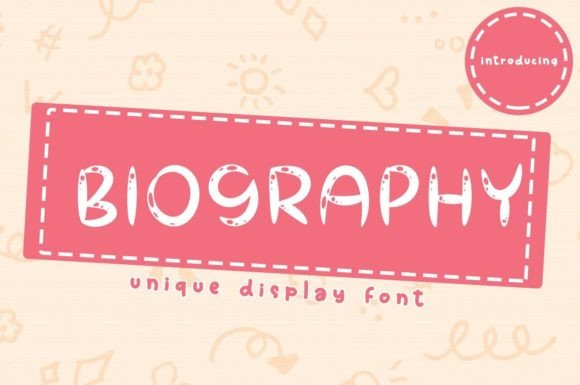
The Biography font is a modern sans-serif typeface designed to simplify the design process while maintaining a high level of aesthetic quality. Its clean lines and balanced structure make it highly readable, even at smaller sizes. The font's design reflects a blend of traditional elegance and contemporary minimalism, offering a versatile option for a wide range of applications.
One of the standout features of Biography is its ability to maintain clarity without sacrificing style. Unlike some fonts that may appear too bold or too delicate, Biography strikes a perfect balance, ensuring that it remains legible and visually appealing across different mediums and formats.
Why Use the Biography Font?
There are several reasons why designers and businesses might choose the Biography font for their projects:
- Versatility: Biography works well in both digital and print formats, making it suitable for websites, logos, brochures, and more.
- Elegance: The font’s refined appearance adds a sense of sophistication to any design, whether it's a corporate report or a personal blog.
- Readability: Despite its stylish design, Biography is easy to read, which is essential for effective communication.
- Modern Appeal: The font’s clean and updated look aligns with current design trends, helping your work stand out in a competitive market.
By using Biography, you not only enhance the visual appeal of your designs but also convey a sense of professionalism and creativity. This makes it an excellent choice for businesses looking to make a strong impression.
The Role of Typography in Design
Typography is more than just choosing a font—it's about how text communicates ideas and emotions. The right font can influence how an audience perceives a message, whether it's serious, playful, or professional. In this context, the Biography font serves as a powerful tool for designers who want to create impactful and visually pleasing content.
For instance, in a business setting, using a font like Biography can help establish trust and credibility. Its clean and structured appearance suggests organization and attention to detail, which are important qualities in professional environments. On the other hand, in creative projects such as art exhibitions or personal portfolios, Biography can add a touch of refinement that complements the overall theme.
Moreover, the font’s adaptability allows it to be used in various contexts. It can be paired with other fonts to create contrast and visual interest, or it can stand alone as the primary typeface for a minimalist design. This flexibility makes it a valuable asset in any designer’s toolkit.
Biography in Modern Life and Work
As technology continues to shape the way we communicate and interact, the importance of good typography has never been greater. From mobile apps to social media posts, the way text is presented can significantly impact user experience and engagement. The Biography font is well-suited for these modern platforms, where clarity and aesthetics go hand in hand.
Consider a scenario where a small business owner is designing a website. Choosing the right font can make a difference in how customers perceive the brand. By selecting Biography, they can ensure that their site looks professional and inviting, encouraging visitors to explore further and engage with the content.
In education, Biography can be used to create visually appealing presentations or study materials. Its readability makes it ideal for students and educators who need to convey information clearly and effectively. Additionally, in creative fields such as graphic design or illustration, the font can serve as a foundation for artistic expression, allowing designers to experiment with layout and composition.
Common Misconceptions About Fonts
Despite the growing awareness of typography’s importance, there are still many misconceptions about fonts and their impact on design. One common assumption is that all fonts are interchangeable—that a simple switch from one typeface to another won’t affect the overall look or feel of a project. However, this is far from the truth.
Another misconception is that more complex or ornate fonts are always better. While certain styles may be appropriate for specific contexts, overly decorative fonts can sometimes hinder readability and distract from the message. This is where a font like Biography shines—it offers a balance between style and functionality, ensuring that the text remains clear and easy to read.
Some people also believe that using a popular font will automatically make their design look professional. While it's true that well-known fonts can carry a certain level of prestige, the key to successful typography lies in understanding how different fonts interact with each other and with the content they’re meant to convey.
How to Choose the Right Font for Your Needs
Selecting the right font involves considering several factors, including the purpose of the project, the target audience, and the desired tone. Here are a few tips to help you make an informed decision:
- Understand the Purpose: Determine whether the font needs to be formal, casual, or something in between. For example, a wedding invitation may benefit from a more elegant font, while a casual blog post could use a simpler, more approachable style.
- Consider the Audience: Think about who will be reading the text. A font that works well for a children’s book may not be suitable for a legal document.
- Test Different Options: Experiment with various fonts to see how they look in different sizes and formats. Sometimes, a font that appears attractive on a screen may not translate well to print.
- Use Complementary Fonts: Pairing a primary font with a secondary typeface can add depth and variety to your design. However, it’s important to ensure that the combination remains cohesive and doesn’t clash.
By taking these factors into account, you can choose a font that enhances your message and resonates with your audience.
Conclusion
The Biography font is a prime example of how thoughtful design can improve both aesthetics and functionality. Its clean, elegant style makes it a versatile choice for a wide range of projects, from professional documents to creative expressions. By understanding the role of typography and selecting the right font for your needs, you can elevate your designs and communicate more effectively.
Whether you're a designer, a business owner, or someone simply interested in the power of visual communication, the Biography font offers a beautiful and practical solution. With its ability to combine style with readability, it's no wonder that this font has become a favorite among professionals and enthusiasts alike.